
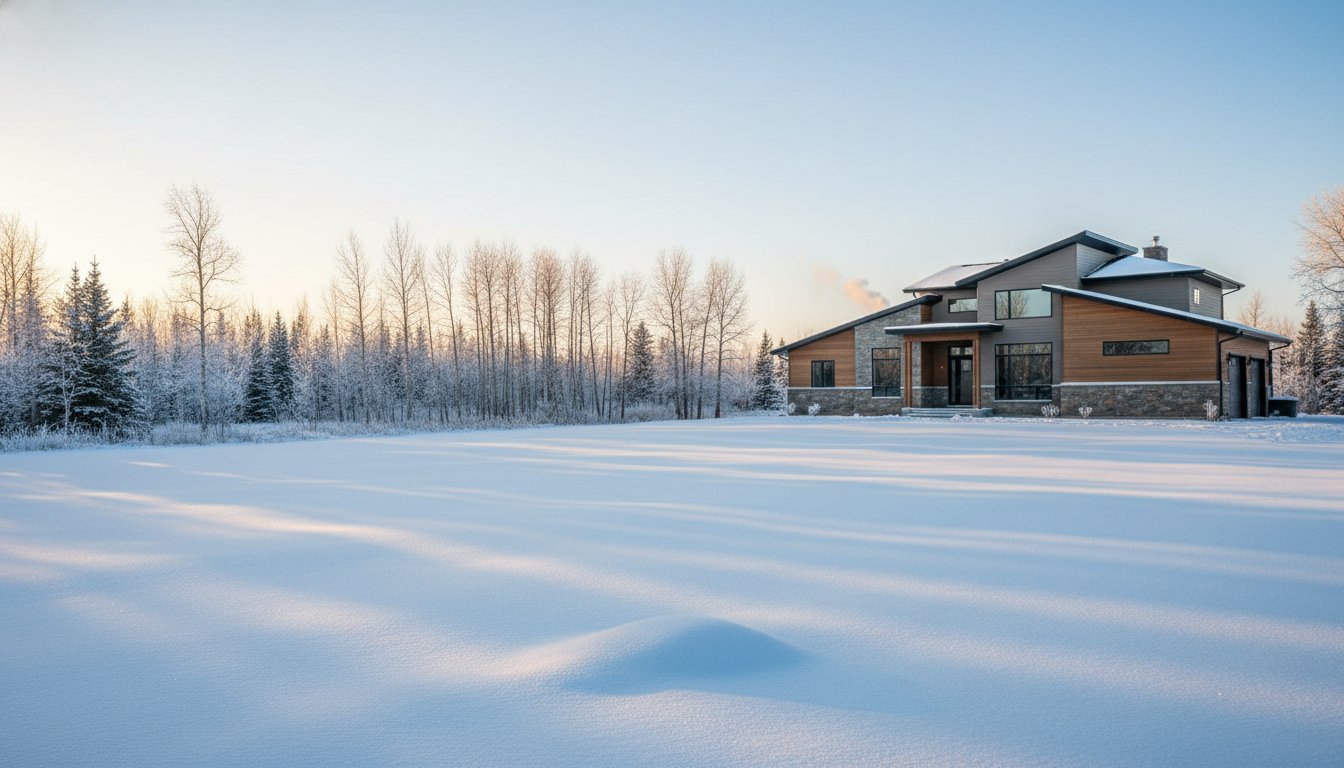
What if the heavy snow piling up on your lawn is actually the most important piece of protective equipment your property owns this season? Most Alberta homeowners view a deep freeze with a sense of dread, especially when it comes to the invisible utility systems buried beneath the frost line. It is natural to feel uncertain about whether your pipes can withstand a month of -30°C temperatures without failing. We understand that the fear of a mid-winter sewage backup is a significant stressor for rural residents.
This guide provides the peace of mind you need by showing you exactly how to protect septic field in winter using strategies tested against the harshest prairie conditions. By following the principles found in the Alberta Private Sewage Systems Standard of Practice 2021, you can maintain the thermal integrity of your system and avoid the high costs of emergency repairs. We will walk you through a practical winterization checklist, explain the science of geothermal heat retention, and help you identify the specific moments when calling a professional is the safest choice for your home's long-term health.
Key Takeaways
- Understand how frost penetration impacts soil absorption and why the Alberta frost line is a critical factor for your system's performance.
- Preserve the natural insulation of snow by preventing compaction from foot traffic or vehicles over your drainage field.
- Discover professional strategies for how to protect septic field in winter, including the importance of inspecting effluent pumps and float switches.
- Avoid common pitfalls like the antifreeze myth that can disrupt the essential bacterial colonies inside your septic system.
- Recognize the mechanical red flags that indicate a professional inspection or repair is necessary to prevent a total system shutdown.
Understanding the Freeze Risk in North Central Alberta
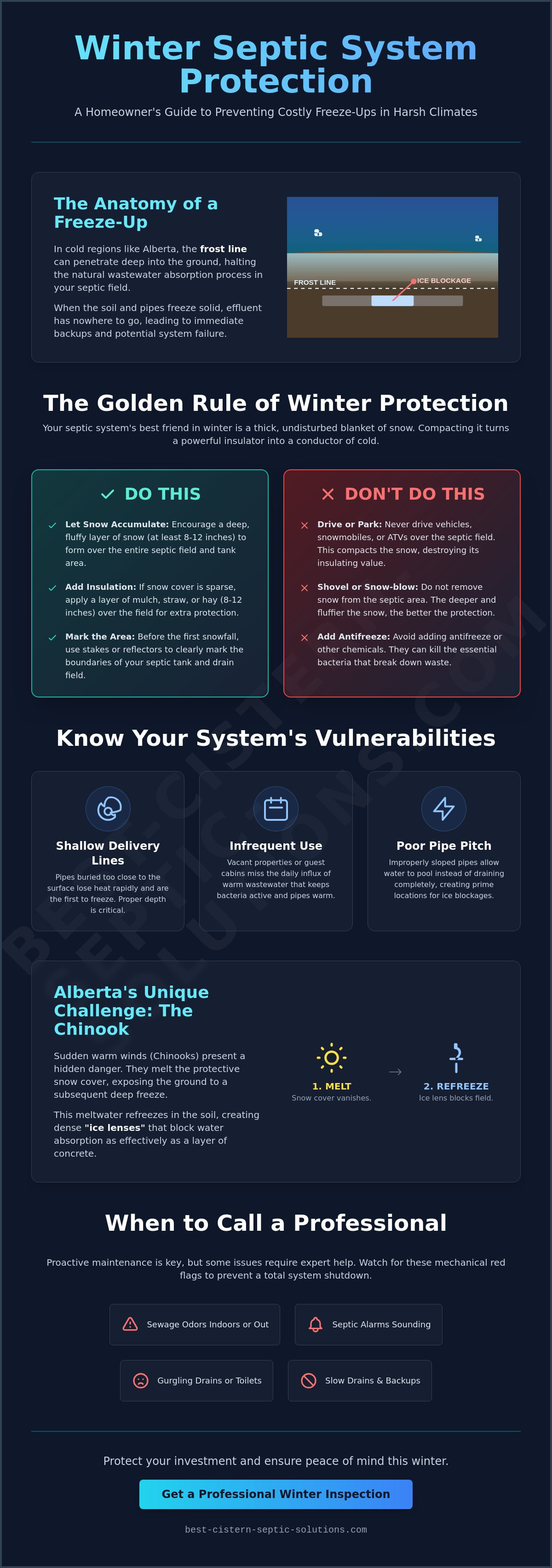
A frozen septic field occurs when frost penetrates deep enough into the soil to halt the natural wastewater absorption process. In regions like Parkland County and Sturgeon County, the frost line can reach depths that challenge standard installations during extreme cold snaps. When the soil around your septic drain field freezes solid, effluent can't escape the pipes. This leads to immediate backups and potential system failure. It's a common concern for rural residents, but it is one that has a manageable resolution through proper preparation.
Your system relies on a thermal blanket effect. This is a combination of the warm wastewater coming from your home and the insulating layer of snow on the surface. We often see that shallow delivery lines are the most vulnerable component for rural Alberta properties. If these lines sit too close to the surface, they lose heat rapidly and become the primary site for ice blockages. Learning how to protect septic field in winter starts with recognizing that your system is a heat-generating environment. It requires a stable temperature to function throughout the season.
The Impact of Alberta’s Freeze-Thaw Cycles
Alberta's weather is famously unpredictable. While a steady cold is manageable, Chinooks present a unique danger. These warm winds melt the insulating snow cover, leaving the bare ground exposed to the next inevitable cold snap. When water from melted snow refreezes within the soil, it creates ice lenses. These dense layers of ice act as a barrier, preventing air and water from moving through the field. Consistent cold is often safer for your system than these fluctuations because it keeps the frost depth predictable and maintains the integrity of your natural insulation.
Identifying Your System’s Vulnerabilities
Every property has specific risk factors that determine its winter resilience. Shallow delivery lines or pipes with a poor pitch allow water to pool and freeze rather than draining completely. Another major risk is lack of use. Vacant properties or guest cabins don't benefit from the daily influx of warm water that keeps the bacterial colony active and the pipes clear. Understanding septic systems and their specific layout is the first step toward effective winterization. By identifying these weak points early, you can take proactive steps to ensure your drainage field remains functional even during a deep freeze.
The 'Golden Rule' of Snow and Insulation Management
Protecting your utility systems requires a hands-off approach once the snow begins to fall. While it is tempting to clear every path on your property, the snow covering your drainage area is a vital structural asset. We consider undisturbed snow to be the most cost-effective insulation available to a rural property owner. It creates a pocket of trapped air that acts as a thermal barrier, keeping the soil temperature stable even when the air temperature drops. Understanding how to protect septic field in winter starts with a simple commitment: never shovel, snowmobile, or drive over your septic field or delivery lines.
Compacted snow loses its R-value immediately. When you crush the air out of a snowpack by driving over it, you transform a high-performance insulator into a conductor of cold. This allows frost to drive much deeper into the ground, often reaching depths that can freeze your pipes solid. In the Parkland and Sturgeon regions, a single snowmobile track across a delivery line can be enough to cause a localized freeze-up. A proactive approach to Septic Maintenance before the first frost ensures your system is mechanically sound and ready to benefit from these natural insulation techniques.
Managing Snow Cover on Your Drainage Field
Establish a clear "no-go" zone for all vehicles and heavy equipment before the first snowfall of the season. We recommend using reflectors or stakes to mark the boundaries of your septic tank and the entire drainage bed. If your property is in an open area where wind strips the snow away, consider installing a temporary snow fence. Placing a fence upwind can trap drifting snow, ensuring a thick, fluffy blanket remains over the field throughout the winter. If a Chinook melts your natural cover, you may need to supplement the area with additional insulation to prevent the exposed soil from freezing during the next cold snap.
Using Mulch and Straw for Added Protection
When natural snow is sparse or unreliable, a mechanical substitute is necessary. Applying a 12-inch layer of loose straw or wood mulch before the first hard freeze provides a significant thermal buffer. Many homeowners prefer "marsh hay" over standard agricultural straw because it is more resistant to moisture and less likely to blow away. This organic layer mimics the air-trapping qualities of fluffy snow. It is important to time the removal of this material carefully in the spring. Removing it too early can expose the ground to late-season frost, while leaving it too long can prevent the soil from drying out properly, which may lead to compaction issues later in the year.
Mechanical and Structural Steps to Winterize Your System
Beyond surface-level insulation, the mechanical integrity of your system determines its ability to survive a deep freeze. Preparing your system involves a methodical check of the components that move wastewater from the tank to the field. If your septic tank is nearing its capacity, we recommend scheduling a service before the ground freezes solid. A full tank reduces the residence time of warm water, which can lower the overall temperature of the system. Additionally, ensuring that your tank lids and risers are airtight prevents cold air from infiltrating the tank and chilling the effluent. This simple check preserves the geothermal heat that your system needs to function.
Proper pipe geometry is another critical factor in how to protect septic field in winter. Your delivery line should ideally have a drain-back feature. This design ensures that once the pump stops, any remaining water in the pipe flows back into the pump chamber rather than sitting in the line. Standing water in a shallow pipe is a primary cause of ice blockages that can lead to a total system shutdown. Taking these structural precautions provides a definitive fix for common winter vulnerabilities and protects your property's long-term assets.
Effluent Pump and Alarm Maintenance
The effluent pump is the mechanical heart of your system. If it fails during a cold snap, the lack of moving warm water allows the entire line to freeze rapidly. Needing an effluent pump replacement in the middle of an Alberta January is a difficult and stressful situation that we prefer to help homeowners avoid. We suggest testing your float switches and septic alarm now. A functional alarm provides an early warning of high water levels, giving you time to address a mechanical issue before it turns into a frozen emergency. You can also add a layer of high-density foam insulation inside the riser lids to keep the pump chamber warm.
Fixing Leaks to Prevent Ice Blockages
One of the most overlooked risks to a winter septic field is a minor household leak. A running toilet or a dripping faucet creates a constant trickle flow. In extreme cold, this small stream of water doesn't have enough thermal mass to stay liquid as it travels through a cold pipe. It freezes layer-by-layer, eventually building up a solid ice dam that completely blocks the line. This process is often invisible until the drains in your home stop working. Performing a simple check for leaks in your home before winter begins is an essential step in property preservation. It ensures that only significant, warm flows enter the system, which helps maintain the necessary heat for proper drainage.
Common Winter Septic Myths and Mistakes to Avoid
In the search for a quick fix, some homeowners turn to methods that do more harm than good. One of the most persistent misconceptions is the "Antifreeze Myth." While it works for your vehicle, pouring automotive antifreeze down your drains is a catastrophic mistake for your utility system. These chemicals are toxic to the environment and, more importantly, they kill the beneficial bacterial colony in your tank. Without these microorganisms, your system cannot process waste effectively. This leads to a sludge buildup that can permanently damage your drainage bed. If you are concerned about how to protect septic field in winter, focus on physical insulation rather than chemical shortcuts.
Another common error is leaving a faucet running to prevent pipes from freezing. While this might work for municipal water lines, it is a significant risk for a private septic system. A constant flow of cold water overloads the septic field. Because the water isn't warm enough to prevent freezing in the soil, it simply adds volume to a cold environment. This often accelerates the formation of an ice dam in the drainage area. If you suspect an issue, scheduling professional Septic Maintenance is a much safer way to ensure your system remains operational throughout the season.
Chemical Additives and Biological Health
Bacterial activity naturally slows down when soil temperatures drop. This is a normal part of the system's seasonal cycle. Many people believe they need to add "starters" or yeast to keep the tank active, but these are unnecessary. The best way to support your system's biological engine is through the consistent use of the home. Regular showers and laundry provide the warm wastewater needed to maintain a functional temperature. Adding foreign biological agents can actually disrupt the natural balance and lead to long-term performance issues that require a professional fix later.
The Risks of Improper Thawing Techniques
If a line does freeze, the method of resolution is critical. We strongly advise against using open flames, space heaters, or blowtorches to thaw frozen pipes. These methods are fire hazards and can easily melt or crack PVC piping. Similarly, pouring boiling water or harsh chemicals down the drain is ineffective and can cause thermal shock to the system. High-pressure steam is the only professional, safe way to thaw a frozen septic line. It is also important to distinguish between a frozen pipe and a mechanical clog. If your drains are slow during a cold snap, it is often a sign of ice formation rather than a simple blockage, requiring a specialized technical response to prevent a total system shutdown.
When to Call the Pros: Emergency Winter Septic Solutions
Even with the best preparation, extreme Alberta winters can push a system to its limit. Recognizing the early warning signs of a failure is essential for property preservation. If you notice gurgling sounds from your drains, persistent sewage odors around your yard, or if your septic alarm is triggered, your system is signaling a critical issue. These red flags often indicate that the frost has bypassed your insulation layers or a mechanical component has seized. At this stage, professional septic system repair is the only way to prevent a total household shutdown.
Modern technology allows us to resolve these issues without the need for invasive digging in frozen ground. We use specialized hydro-jetting and high-pressure steaming services to clear ice blockages and restore flow. These methods use heat and controlled pressure to melt ice dams safely, protecting the integrity of your PVC lines. Understanding how to protect septic field in winter includes knowing when to stop DIY efforts and call for technical support. A professional fix now prevents the catastrophic damage that occurs when effluent hasn't any place to go but back into your home.
Professional Diagnostic Tools for Frozen Systems
We use advanced diagnostic equipment to pinpoint the exact location of a freeze without guesswork. Thermal imaging cameras allow us to see temperature variations beneath the soil, identifying where heat loss is occurring in your delivery line. High-resolution sewer cameras can then travel through the pipes to distinguish between a simple ice blockage and a structural failure like a collapsed line. This level of detail is vital in the Edmonton Capital Region, where soil conditions and frost depths vary significantly. A precise diagnosis ensures that the resolution is targeted and effective, saving you time and reducing the stress of a winter utility failure.
Preparing for a Spring Restoration
If a drainage field has completely failed due to saturation or deep frost, we may recommend using your septic tank as a temporary holding tank. This allows you to continue using your home while waiting for the ground to thaw in Strathcona or Leduc County. Once spring arrives, we can transition from emergency management to a long-term solution, such as a full septic field installation. Investing in professional maintenance and timely repairs is more than just a fix for a current problem; it's a way to protect your property's value. A well-documented, functioning septic system is a long-term asset that ensures the safety and security of your household for years to come.
Secure Your Property for the Deep Freeze
Maintaining your septic system through an Alberta winter is a manageable task when you prioritize thermal management and mechanical health. You now have the tools to preserve natural snow insulation and identify the mechanical red flags that require professional attention. These proactive steps turn a vulnerable utility into a resilient, long-term asset for your property. By focusing on physical protection and avoiding the pitfalls of chemical additives, you ensure your system remains functional during the most extreme temperature drops.
Learning how to protect septic field in winter provides the peace of mind that every rural homeowner deserves. Our team has spent over a decade specializing in rural Alberta septic challenges, offering grounded expertise and detailed diagnostic reports for properties in Parkland and Leduc County. We take pride in being a reliable neighbor who understands the specific environmental needs of our community. When your utility systems are secure, the invisible benefits of property preservation become a lasting reality.
Secure your system with a professional septic inspection from Best Cistern Septic Solutions today.
You don't have to face the deep freeze with uncertainty. With a professional plan in place, you can enjoy a worry-free season knowing your system is fully prepared for the cold.
Frequently Asked Questions
Can I use RV antifreeze in my septic system to prevent freezing?
No, you should never put RV antifreeze or any chemical additives into your septic system. While these products are designed for plumbing traps in seasonal cabins, they can disrupt or kill the essential bacterial colony in your septic tank. These microorganisms are necessary to break down solids and maintain the health of your drainage bed. If the bacteria die, your system will fail to process waste correctly, leading to expensive long-term damage to the soil structure.
What are the first signs that my septic field is starting to freeze?
The first signs often include slow-draining sinks, gurgling sounds in the pipes, or unusual sewage odors inside the home. You might also notice that the toilet doesn't flush as vigorously as usual or that water levels in the bowl seem inconsistent. These symptoms suggest that ice is beginning to restrict the flow in your delivery line. Catching these signs early allows for a professional fix before the line freezes completely and causes a household backup.
Is it okay to drive a snowmobile over my septic tank and field?
It is not safe to drive snowmobiles or any vehicles over your septic tank and field. Beyond the risk of compacting the snow and losing its insulating R-value, the weight can crack tank lids or damage shallow pipes. We recommend marking your system boundaries with stakes to keep all traffic away. This simple step is a key part of how to protect septic field in winter and preserve your property's vital infrastructure.
How much snow is needed to properly insulate a septic field in Alberta?
A minimum of 8 to 12 inches of loose, uncompacted snow is generally required to provide adequate insulation in the Alberta climate. This depth creates a sufficient thermal barrier to protect the soil from deep frost penetration during extreme cold snaps. If your field is in a wind-swept area, you might need to use snow fences or a layer of straw to ensure this thermal blanket is maintained throughout the season.
My septic alarm is going off in the middle of a cold snap—what should I do?
If your septic alarm triggers during a cold snap, you should immediately reduce your water usage and check your effluent pump for power. The alarm often indicates a high water level caused by a frozen delivery line or a mechanical failure. Avoid opening the tank lids yourself in extreme cold, as this lets out vital geothermal heat. A professional technician can use diagnostic tools to find a resolution without exposing the system to further freezing.
Will a professional septic inspection find potential winter freezing issues?
Yes, a professional septic system inspection is designed to identify vulnerabilities before they become winter emergencies. We check for proper pipe pitch, adequate soil cover, and the mechanical health of your effluent pump and float switches. Identifying these issues in the autumn allows for manageable repairs that ensure your system is durable enough to survive a harsh prairie deep freeze without failing.
Can a septic field be repaired while the ground is still frozen?
Emergency repairs like thawing a frozen line with high-pressure steam can be performed effectively during the winter months. However, major structural work like a full septic field installation or extensive pipe replacement usually requires the ground to be thawed for proper soil compaction. If your field fails in mid-winter, we often suggest using the tank as a temporary holding tank until a permanent repair is possible in the spring.
How often should I pump my septic tank if I live in a cold climate?
It is recommended that septic tanks in Alberta be pumped every 3 to 5 years, depending on your household size and tank capacity. Ensuring your tank is at a healthy level before winter is important because a tank near capacity has less room for warm wastewater to circulate. This warm water is a primary source of internal heat that helps keep your delivery lines and drainage field from freezing during a prolonged cold snap.


