
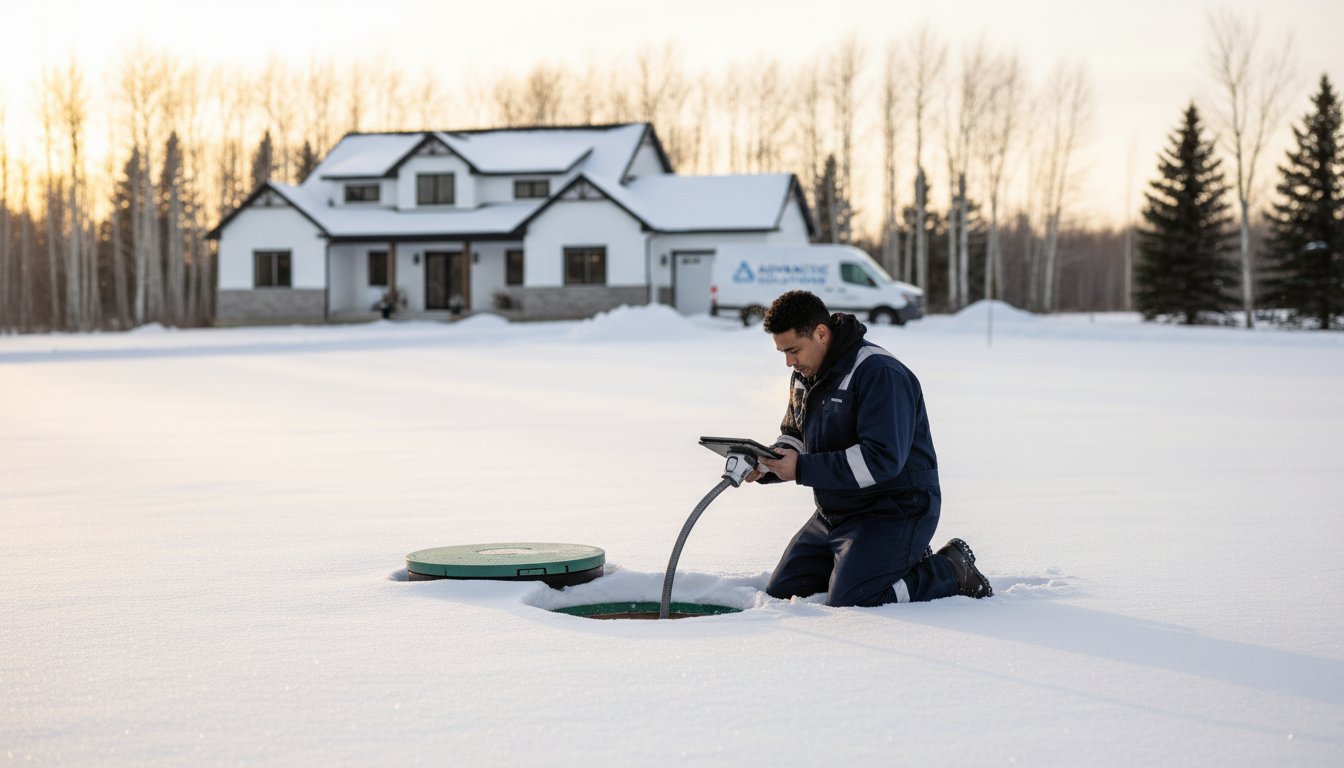
On a -30°C evening in January 2025, one Parkland County family realized their drains weren't moving, just as the first signs of a backup surfaced in the basement. You likely understand that sinking feeling when an unexpected odor or a slow drain suggests your wastewater system is failing. It's natural to worry that a total replacement, which can exceed C$30,000 according to recent regional contractor estimates, is your only path forward. However, a professional septic system repair often provides a more surgical, cost-effective solution when handled by a specialist.
We believe that maintaining your infrastructure should be a predictable investment in your home's health, not a source of constant stress. This guide provides the clarity you need to diagnose issues early and restore your drain field's integrity before small problems become costly emergencies. You'll discover how to navigate 2026 maintenance standards, utilize modern restoration techniques, and ensure your system remains reliable through the harshest Alberta winters.
Key Takeaways
- Learn to identify specific Alberta warning signs, such as unusually lush grass, to detect failures before they escalate into costly emergencies.
- Understand why a professional septic system repair is a strategic investment in your home’s health and long-term property value.
- Discover the critical distinction between routine maintenance pumping and the restoration of your system's mechanical or biological capacity.
- Master immediate triage steps, including water usage reduction, to protect your system while preparing for a specialist’s diagnostic visit.
- Gain peace of mind by exploring methodical, transparent solutions designed to ensure the integrity and longevity of your North Central Alberta infrastructure.
Recognizing the Need for Septic System Repair in Parkland County
Facing a potential issue with your home’s waste management can feel overwhelming. However, most septic system repair needs are manageable if you identify them before a total backup occurs. In North Central Alberta, a repair typically involves either restoring the mechanical components of the tank, such as pumps or baffles, or revitalizing the biological drainage capacity of the soil. Understanding what a septic system is and how it interacts with our local environment is the first step toward a resolution. We see many homeowners in Leduc and Spruce Grove struggle with premature clogging because of local soil conditions. These areas often contain clay-heavy soils with high density levels that prevent water from percolating efficiently. When the soil can't absorb effluent, the system begins to push back, signaling that it's time for professional intervention.
One of the most distinct Alberta warning signs is the appearance of "lush grass" over the drainage field during a dry spell. While a green lawn is usually a source of pride, a localized patch of vibrant, fast-growing grass in an otherwise brown yard indicates your field is leaking nutrient-rich effluent too close to the surface. Catching these signs early protects your property’s integrity and ensures the longevity of your home’s infrastructure.
Common Red Flags in North Central Alberta Homes
Your plumbing often speaks to you before a crisis happens. Gurgling sounds in your pipes or drains are the first mechanical cry for help, suggesting that air is trapped or the tank is overfilled. You might also notice "sewage breath," which is a distinct sulfur or rotten egg smell near the tank or vent pipes. This happens when gases aren't venting correctly or the biological balance in the tank is disrupted. Ponding is the accumulation of effluent on the surface of the septic field. If you see standing water or muddy patches where it hasn't rained, your system requires an immediate septic system repair assessment to prevent environmental contamination.
The Impact of Alberta’s Freeze-Thaw Cycles
The climate in rural Edmonton poses unique challenges to underground infrastructure. During extreme winters, the frost line can reach depths of 2.4 meters, causing the ground to shift. This "heaving" can result in pipe disconnection or shifting in Parkland County properties. Frozen vent pipes are another common winter culprit; they mimic a complete system failure by stopping the flow of air, which causes sinks to drain slowly and smells to back up into the home. In Strathcona County, the spring melt often reveals hidden septic field problems. As the snow disappears, the saturated ground can no longer accept tank effluent, leading to surface pooling. We focus on providing solutions that account for these seasonal stresses, ensuring your system remains sanitary and functional year-round.
Common Septic Repair Solutions: From Effluent Pumps to Field Restoration
A septic system functions as a sequence of mechanical and biological processes. When a failure occurs, the solution depends on which "zone" is compromised: the septic tank, the lift station, or the drainage field. A common mistake is assuming that septic tank pumping will fix a soggy yard. While pumping is vital maintenance, it's not a permanent septic system repair for a field that has stopped absorbing water.
A Trusted Specialist begins by diagnosing whether the failure is mechanical or biological. Modern technology often allows us to restore system integrity without the need for massive excavation. This approach preserves your landscaping and reduces the financial burden of a full replacement. Keeping your system properly maintained is the best way to avoid these issues, but when they do arise, targeted solutions are available.
Mechanical Repairs: Pumps and Alarms
Mechanical failures are often the most immediate concerns for homeowners in the Edmonton region. The effluent pump is the heart of many systems, responsible for moving treated liquid to the distribution field. When a motor burns out or a float switch sticks, the system loses its ability to discharge. We prioritize effluent pump replacement to restore flow quickly. Additionally, installing a high-water alarm is a critical investment. This device provides a 24 to 48-hour warning before a backup occurs, protecting your home from silent overflows.
We also inspect and replace broken baffles. These components are essential for keeping solids inside the tank. If a baffle breaks, grease and solids can migrate to the drainage field, causing clogs that are much more expensive to fix than a simple plastic part replacement.
Biological and Field Restoration Techniques
If the mechanical parts are working but water is pooling on the surface, the issue is likely biological. Over time, a "biomat" layer of bacteria forms at the bottom of your trenches. While some biomat is necessary, excessive buildup prevents effluent from leaching into the soil. In areas like Leduc County, we use high-pressure jetting to clear lateral lines and remove internal blockages. This process restores the flow and cleans the pipes from the inside out.
For more severe cases, we may employ soil fracturing or professional-grade aerobic additives. These methods introduce oxygen or physical space into the soil to break down the biomat layer. These restorative techniques can add 10 to 15 years of life to your system for a fraction of the cost of a new field. If you've noticed slow drains or damp spots, it's time to consult with a specialist to explore these non-invasive septic system repair options.
Septic Repair vs. Total Replacement: Making the Right Investment
Homeowners often ask if they can delay a septic system repair by simply pumping the tank more frequently. While pumping is a vital maintenance task, it cannot fix a mechanical failure or a biological clog in the soil. Relying on the vacuum truck to mask a deeper issue is a temporary stopgap that often leads to a much larger bill. A targeted repair acts as an investment in your home’s health, preventing a manageable C$2,000 component fix from escalating into a C$25,000 septic field installation.
Choosing the right path requires understanding the Alberta Standard of Practice. These provincial regulations mandate total replacement when a system can no longer safely process effluent without risking groundwater contamination. Proactive repairs ensure your system remains within these legal limits, protecting both your property value and the local environment. For those new to rural property ownership, the EPA's guide to septic systems offers a clear look at how consistent maintenance prevents the need for early replacement.
When a Repair is the Best Path Forward
Repairing your system is the most logical choice when the primary structure remains intact. If a professional inspection confirms the concrete or plastic tank is structurally sound, replacing a failed effluent pump or a broken baffle is a straightforward task. Sluggish drain fields can often be rejuvenated if the issue stems from a temporary hydraulic overload rather than a total soil collapse. These targeted interventions restore the system's integrity, providing the documentation needed to prove the system is functional during real estate transactions.
Signs that Total Replacement is Unavoidable
There are specific scenarios where a septic system repair is no longer a viable option. If a site visit reveals collapsed lateral lines where the pipe structure has physically flattened, the system cannot be salvaged. Significant structural cracks in the tank or aggressive root intrusion that has compromised the seals also signal the end of a system's lifespan. In regions like Sturgeon County, many older systems are simply undersized for modern water usage. When a growing household exceeds the capacity of a 30 year old system, a full upgrade is the only way to ensure long term sanitary protection for your family.
- Structural Integrity: Repairs work for components; replacements are for failed structures.
- Regulatory Compliance: Systems must meet current Alberta safety standards during major overhauls.
- System Sizing: If your daily water volume exceeds the original design, a fix won't prevent future backups.

Critical Steps to Take Before Calling a Septic Specialist
Discovering a backup or a soggy patch in your yard is stressful, but taking methodical steps now protects your home's integrity. Before you pick up the phone for a septic system repair, you can perform a few basic checks to narrow down the issue. This preparation ensures that when a technician arrives, they have the data needed to provide an efficient, permanent solution.
Your first priority is to reduce the load on the system immediately. Stop all non-essential water use to give the tank and soil a chance to rest. If the system is saturated, every extra liter of water pushed into the tank can force solids into the drainage pipes, which often leads to more expensive failures. Gathering your system map and any historical records of septic field problems will save significant time during the inspection. Having these documents ready allows the specialist to understand the layout of your property without performing unnecessary digging.
Check your electrical panel for an easy win. Sometimes a simple tripped breaker for the effluent pump is the only thing standing between you and a functioning system. If the breaker is fine, resist the urge to buy "miracle" chemicals or additives that promise to fix failing fields overnight. These products often disrupt the delicate microbial balance in your tank and rarely provide a long-term fix for a mechanical or structural septic system repair need.
The Homeowner's Emergency Checklist
- Cease high-volume water activities: Postpone laundry loads and keep showers brief until the system is assessed.
- Conduct a visual perimeter check: Walk your property to find new wet spots, lush green grass, or odors near the tank and field.
- Document the timeline: Note if the issue started after a specific event, such as a heavy rainfall or a weekend with extra guests in the house.
What to Ask Your Repair Professional
When you contact a specialist, ask if they're familiar with the specific clay-heavy soil conditions in Strathcona County, as local geology dictates how well a field can recover. You should also confirm that they provide a detailed diagnostic report before any major work begins. Ensure you ask your technician about the specific warranty terms for mechanical components, particularly for heavy-duty items like effluent pumps, to safeguard your investment.
Taking these proactive steps transforms a chaotic emergency into a manageable maintenance project. If you've completed these checks and still see signs of trouble, it's time to bring in the experts to restore your system's performance.
Get a professional diagnostic for your septic system todayProfessional Septic Solutions for North Central Alberta
Best Cistern Septic Solutions serves as the primary authority for homeowners across Parkland and Leduc Counties. We understand that a failing wastewater system creates immense stress for a household. Our team functions as a trusted specialist, approaching every septic system repair with a methodical and transparent process. We don't believe in temporary patches. Instead, we focus on the long-term health of your home’s infrastructure, ensuring every component from the tank to the lateral lines operates with peak efficiency. This commitment to detail protects your family’s safety and preserves the longevity of your property investment.
Our service journey is designed to be end-to-end. We guide you through the initial discovery phase, execute the technical restoration, and finish with a thorough site review. You'll never be left wondering about the status of your system or the necessity of a specific fix. We take pride in performing difficult, essential tasks with a level of sophistication that provides genuine peace of mind.
Our Diagnostic and Restoration Process
We believe that an effective septic system repair starts with an accurate "why." Our team uses advanced diagnostic tools and physical inspections to find the specific point of failure. We look for the root cause, whether it's a collapsed baffle, a saturated soil mantle, or a mechanical pump failure. This diagnostic precision allows us to offer restoration options that respect your budget. Our goal is to return your system to 100% capacity without recommending unnecessary replacements. A restored system ensures:
- Sanitary Integrity: Proper treatment of effluent to prevent surface breakouts.
- System Longevity: Proactive fixes that extend the life of your drain field by years.
- Operational Confidence: The knowledge that your household can function without the threat of backups.
Serving Parkland, Leduc, and Sturgeon Counties
Our deep roots in the Edmonton Capital Region mean we understand the specific soil conditions and climate challenges facing rural Alberta property owners. Local expertise is essential for maintaining compliance with the Alberta Private Sewage Systems Standard of Practice. These regulations are complex, but our familiarity with provincial codes ensures your system remains fully compliant and environmentally safe. We've spent years building relationships in Sturgeon, Parkland, and Leduc, acting as a reliable neighbor who happens to be a leading expert in wastewater management.
We view our work as a partnership in home care. When your system functions correctly, it remains invisible. Our job is to keep it that way through diligent maintenance and expert intervention. If you've noticed slow drains or unusual odors, don't wait for a total system failure to occur.
Protecting Your Parkland County Property Investment
Maintaining a healthy home in North Central Alberta requires a clear understanding of your wastewater infrastructure. Identifying early warning signs and choosing targeted septic system repair over a full C$30,000 replacement can extend your system's life by 15 years or more. Our team specializes in precise effluent pump replacement and advanced field restoration techniques that restore flow without the need for massive excavation. We focus on mechanical integrity and sanitary protection to help you avoid the stress of unexpected failures.
We provide grounded, professional service tailored to the specific environmental conditions of Parkland County. It's about more than just a quick fix; it's a long-term investment in your property's health and your family's safety. Our specialists handle the technical details so you can enjoy the comfort of a reliable, high-functioning system. We take pride in being the hardworking, local partner you can trust for every technical challenge. Take the first step toward a worry-free home today.
Schedule a Professional Septic Diagnostic Today
Frequently Asked Questions
Can a septic field be repaired once it has failed?
Yes, many failed septic fields can be restored through professional intervention rather than total replacement. Techniques like mechanical aeration or bio-remediation can break down the organic biomat that often clogs the soil. According to industry data, these specialized septic system repair methods can restore drainage capacity in approximately 75 percent of cases where the soil isn't physically collapsed.
How much does the average septic system repair cost in Alberta?
Minor repairs like replacing a broken baffle or a float switch typically cost between C$300 and C$900. For more significant issues, such as effluent pump replacement or field restoration, Alberta homeowners should budget between C$2,000 and C$8,000. If a complete system replacement is required due to total soil failure, costs in the Edmonton region often start at C$15,000 depending on local soil regulations.
Will pumping my septic tank fix a slow-draining field?
Pumping your tank is a vital maintenance step, but it's only a temporary fix for a failing drainage field. While it creates immediate space in the tank, it doesn't address the underlying soil saturation or biomat buildup in the field. Once the tank refills to its operating level, which usually takes 3 to 5 days for a standard household, the slow drainage issues will return.
What happens if I ignore a septic alarm?
Ignoring a septic alarm can lead to a messy sewage backup into your home or a surface breakout in your yard. The alarm usually triggers when the effluent level rises above the 80 percent mark, indicating a pump failure or a blockage. You generally have a 24-hour window of reserve capacity before the system overflows, risking the sanitary integrity of your property and family.
Is it possible to repair a cracked septic tank?
Small cracks in concrete tanks can often be sealed using high-strength epoxy injections or hydraulic cement to prevent leaks. This process restores the tank's watertight seal and protects the surrounding groundwater from contamination. However, if a crack is wider than 2 centimetres or indicates structural shifting, replacing the tank is the most reliable way to ensure long-term safety and home value.
How long does a septic system repair usually take?
Most common repairs are finished within 1 to 2 business days. Component fixes like replacing an effluent filter or a lid are often completed in under 4 hours. Larger projects that require excavation or permit approvals from local authorities can take 3 to 5 days. We prioritize efficient workflows to ensure your household's water usage returns to normal as quickly as possible.
Can tree roots be removed from a septic field without replacing it?
Professional technicians can often clear tree roots using mechanical augers or specialized hydro-jetting equipment. These methods remove the obstruction and restore the flow of effluent without the need for heavy excavation. To protect your system's longevity, it's best to maintain a 3-metre clearance between your septic field and any large trees or invasive shrubs.
Does insurance cover septic system repairs in Parkland County?
Standard home insurance policies typically don't cover general wear and tear, but they may cover "service line" failures if you've added a specific endorsement. Many providers in Alberta offer service line coverage that provides C$5,000 to C$10,000 for sudden pipe ruptures or collapses. It's important to review your policy details to see if you're protected against these specific infrastructure risks.


